1. Niche Art Form Hashtags

If you make digital portraits, ceramic sculpture, or gouache paintings, that medium should be obvious in your hashtag mix. Artists often achieve better discovery through this method, not by shouting into #art, but by showing up where people already care about the exact kind of work they make.
A digital illustrator posting a character turnaround has a better shot with tags like #digitalartist, #characterdesign, and #conceptart than with a generic art dump. The same goes for a painter using #oilpaintingart or a 3D creator using #3dmodeling. Medium-specific tags attract viewers who don't need to be convinced they like the format.
Copy and adapt this pack
Digital workflow pack: #digitalartist #digitalpainting #conceptart #characterdesign #illustrationartists #fantasyart #procreateart #artistsoninstagram
Traditional painting pack: #oilpaintingart #acrylicpainting #figurativepainting #paintingprocess #fineartpainting #contemporarypainter #studiopractice #originalart
3D and CGI pack: #3dmodeling #3dartwork #cgiart #environmentdesign #renderart #characterartist #digitalsculpting #visualdevelopment
The trade-off is reach versus precision. Narrow tags usually bring smaller pools, but they often produce more relevant followers. Broad tags bring exposure opportunities, but they bury posts fast.
What works in practice
Use 5 to 7 core niche hashtags that match your primary medium, then rotate supporting tags based on subject and format. Don't force a sculpture tag onto a digital matte painting just because it performed once.
Practical rule: Your first hashtags should answer “what kind of artist is this?” before they answer “how big an audience can this reach?”
Gainsty can speed up the sorting process by helping you track which niche sets consistently bring the right profile visits, saves, and followers, instead of just random impressions.
2. Art Style and Aesthetic Hashtags
Medium tells Instagram what you made. Aesthetic tags tell people how it feels. That difference matters.
An artist can post an iPad illustration that still fits #minimalistart, #bohoart, or #cyberpunk, depending on visual language. These tags pull in audiences who follow a look, not just a toolset. If your work is clean, muted, geometric, and editorial, style hashtags often outperform broad medium tags because the audience is already trained to look for that exact mood.
Copy and adapt this pack
Minimal and modern pack: #minimalistart #abstractartwork #neutralaesthetic #contemporaryart #designinspiration #gallerywallart #visualpoetry #modernartist
Retro and decorative pack: #artdeco #vintageinspiredart #ornamentalart #retroaesthetic #patternartist #decorativearts #stylizedart #goldandgeometry
Futurist mood pack: #cyberpunk #vaporwaveart #scifiart #neonart #futuristicaesthetic #synthwavevisuals #darkillustration #digitaldreamscape
Use only the aesthetics that your work fits. Chasing a trend tag with off-brand work creates weak engagement because people click through expecting one thing and get another.
A strong combo here is medium plus aesthetic plus subject. For example, a digital portrait artist might combine #digitalartist, #cyberpunk, and #portraitart. That gives Instagram and viewers three useful signals instead of one vague one.
Don't use aesthetic hashtags as costume jewelry. If the post doesn't belong in that visual conversation, skip it.
Gainsty is useful here when your style crosses categories, and you want to compare which aesthetic clusters attract followers who keep engaging instead of bouncing after one post.
3. Artist Development and Process Hashtags
Finished work gets attention. Process builds loyalty. People who care how you sketch, revise, repaint, and solve problems often become your most engaged followers.
That's why process hashtags matter. Tags like #artistprocess, #artprogress, #sketchdaily, and #beforeandafter work well when the post shows movement. A rough thumbnail next to the final illustration. A time-lapse of color decisions. A sketchbook page with notes. These posts invite conversation because people can see the thinking, not just the result.
For artists building trust, process content can outperform polished portfolio posts. Someone commissioning a portrait or hiring an illustrator wants to know you can develop ideas, not only present a final image.
Here's a useful breakdown of Instagram hashtag strategy if you want a broader system for structuring those sets. Artists in adjacent skill-based fields can also learn from career storytelling in the tattoo artist career path, where process and progression shape credibility.
A practical process pack
Daily practice pack: #sketchdaily #dailydrawing #artstudy #drafttodone #creativepractice #artistgrowth #artprogress #sketchbookartist
Behind the scenes pack: #artistprocess #workinprogressart #timelapseart #studioflow #behindtheart #creativeworkflow #processvideo #wipart
Teaching angle pack: #arttutorial #paintingdemo #drawingtips #learnartonline #howtodrawbetter #arteducation #artistmentor #visuallearning
This format works especially well in video. A short time-lapse, annotated carousel, or narrated Reel gives these hashtags something real to latch onto.
What not to do
Don't tag a static finished piece with #arttutorial or #beforeandafter unless the content teaches or compares. Misaligned tags can get clicks, but they rarely get the right followers.
4. Subject Matter and Theme Hashtags
Some buyers, fans, and art directors search by subject before they search by medium. They don't think “I want gouache.” They think “I want botanical art,” “I want pet portrait art,” or “I want anime fan art.”
That makes subject hashtags especially useful for artists with a clear recurring theme. A wildlife painter can build around #animalart. A portrait specialist can lean into #portraitart. A fantasy illustrator doing franchise-inspired work may use #fanart alongside more specific descriptive tags tied to character type, mood, or scene.
Copy and adapt this pack
Portrait-focused pack: #portraitart #figurativeartist #portraitdrawing #commissionportrait #peopleinart #faceillustration #customportraitart #emotiveart
Nature and scenery pack: #landscapeartist #natureinspiredart #pleinairpainting #mountainart #seascapepainting #forestillustration #earthpalette #naturecollector
Plants and animals pack: #botanicalart #animalart #birdillustration #petportraitartist #flowerpainting #natureartist #wildlifeartwork #gardeninspiredart
The benefit is qualified attention. Someone who loves birds or gardens may engage with your work repeatedly, even if they don't care about every medium. The risk is over-narrowing your identity if you tag only one subject forever, while your portfolio is broader.
A good middle path is to anchor your main category and rotate subthemes. If you're known for portraits, one post might include commission-oriented portrait tags, while another leans editorial, expressive, or fashion portrait language.
Use Gainsty here to spot which subject clusters bring the followers you want. A pet portrait artist, for example, may discover that animal lovers engage heavily, but custom portrait inquiry tags attract the accounts more likely to message.
5. Community and Collaboration Hashtags
Community hashtags aren't just for visibility. They're for relationships. Tags like #artcommunity, #supportsmallartists, #artistsupport, and #artistsofinstagram put your work into creator-heavy spaces where conversation matters as much as reach.
These tags work best when your content gives people a reason to reply. That could be a studio reflection, a carousel asking followers to pick between sketches, a collaborative feature post, or a caption that shares a real challenge from your week. They tend to work poorly on posts that feel transactional from the first line.

Use them with intention
Mutual support pack: #artcommunity #supportsmallartists #artistsupport #creativesupportingcreatives #makerscommunity #shareyourart #emergingartist #studiofriends
Peer network pack: #artistsofinstagram #womenartists #illustratorcommunity #creativepeers #independentartist #workingartists #creativeexchange #artistnetwork
Business-minded creator pack: #creatoreconomy #creativebusiness #artistbrand #indiecreator #artentrepreneur #portfolioartist #professionalcreative #buildinpublicartist
There's a practical catch. Community tags can fill your comments with other artists rather than buyers. That isn't bad. Early-stage growth often starts there. But if every post is optimized only for peer approval, your account can become socially active and commercially flat.
Better behavior around these hashtags
Comment like a person, not a bot. Share others' work with credit. Join collaborations where your style fits. If you use community tags, behave in a way that matches them.
The artists who benefit most from community hashtags don't just post into the room. They participate in it.
Gainsty can help you identify follower groups with creator overlap so your networking efforts don't stay random.
6. Trend and Challenge Hashtags
Trend hashtags can give you bursts of discovery that your normal posting pattern won't. They're useful when the challenge fits your style and timing. They're a waste when you join every trend with rushed work.
Tags like #Inktober, #DrawThisInYourStyle, #ArtVsArtist, and #WorldArtDay pull attention because people actively browse them during a specific window. The advantage is momentum. The downside is short shelf life. If you miss the moment, the hashtag often loses most of its value.
A smart challenge mix
Seasonal challenge pack: #Inktober #artchallenge #drawingchallenge #dailyartprompt #inktoberartist #creativechallenge #sketchchallenge #monthofmaking
Community remix pack: #drawthisinyourstyle #dtiys #artistchallenge #stylechallenge #creativeinterpretation #illustrationchallenge #fanartistcommunity #artprompt
Milestone and event pack: #artvsartist #worldartday #studioreflection #artistyearinreview #creativejourney #artistfeature #celebrateart #growththroughart
One of the better uses of challenge hashtags is layering them with your core niche tags. If you're a fantasy illustrator doing a Draw This In Your Style challenge, don't stop at the challenge tag. Keep your medium, style, and subject tags attached so the post still feeds your long-term discovery strategy.
If you want to build around timely posts more deliberately, this guide on finding trending Instagram hashtags can help structure the research.
The trade-off most artists ignore
Challenges often reward consistency and speed, but your portfolio needs quality control. It's better to join fewer challenges with work that still looks like you than to flood your feed with trend entries that dilute your brand.
7. Professional and Commercial Hashtags
If you want to inquire, say so. Commercial hashtags exist to signal availability, buyer intent, and professional positioning. Too many artists avoid them because they don't want to look salesy. Usually, the problem isn't the hashtag. It's weak sales framing around it.
A post tagged #commissionsopen or #artforsale needs support. Clear caption. Clear offer. Clear next step. If a buyer has to hunt for pricing, medium, turnaround, or contact details, the hashtag did its job and the post still failed.
The buying-intent gap shows up in a lot of art hashtag advice. Generic lists often repeat broad tags without helping artists choose combinations that support selling originals, attracting commission requests, or reaching collectors. That's why intent-based examples like #artforsale and #commissionart matter, as noted in Jose Art Gallery's discussion of art hashtags and buyer-focused discovery. Artists exploring multiple revenue streams may also find ideas in this guide to selling designs online.
Copy and adapt this pack
Commission pack: #commissionsopen #commissionart #customartwork #portraitcommission #hireanartist #artistforhire #bespokeart #bookanartist
Originals pack: #originalart #artforsale #buyart #collectart #fineartforsale #availableart #smallartbusiness #emergingartcollector
Freelance and licensing pack: #artistforhire #freelanceillustrator #editorialillustration #bookcoverartist #licensingartist #commercialartist #visualstoryteller #creativeforbrands
Use these only when the landing experience is ready. A pinned commission post, a current website link, or a simple inquiry form makes a big difference.
Sales hashtags work when the account feels ready to do business.
Gainsty can help you test which commercial sets align with followers who engage like potential buyers rather than casual scrollers.
8. Platform and Format Specific Hashtags
Instagram doesn't treat every post format the same, and your hashtags shouldn't either. A Reel showing brush strokes needs a different packaging approach than a carousel of close-up details or a Story announcing a studio sale.
Format-specific hashtags earn their place in your tagging strategy. They don't replace your art-related tags. They sharpen them. Tags like #instagramreels, #artistsonreels, #artstories, or #carouselpost tell Instagram what kind of content object it's dealing with, while your niche tags explain what the content is about.
Format-based packs
Reels pack: #instagramreels #artistsonreels #artreels #processreel #creativevideo #shortformart #timelapseartist #visualloop
Carousel pack: #carouselpost #artcarousel #detailshots #stepbystepart #swipeforprocess #multiimagepost #artsequence #closeupart
Stories crossover pack: #artstories #studiostories #dailyartistupdates #behindthestory #artistlifeonline #storytellingthroughart #processsnippets #instagramartist
If you're serious about short-form discovery, this walkthrough on hashtags for Instagram Reels is a useful companion.
Where artists waste these tags
They attach Reels hashtags to static work or use platform tags with no creative hook. A Reel hashtag won't rescue a weak video. It only improves the odds that the right kind of content gets read correctly.
Independent art-marketing guidance also treats hashtags like SEO keywords and suggests choosing them by market size. Small accounts should target hashtags with about 10K to 100K uses, growing accounts 100K to 500K, and larger accounts 500K to 1M. The same guide says 5 to 8 hashtags per post is often enough, which is much leaner than the 25 to 30 tag approach some artists use, according to Women of Illustration's SEO guide for artist hashtags.
9. Location and Cultural Hashtags
Local discovery gets overlooked because it feels smaller. It's often more useful. A collector, gallery visitor, mural client, or workshop attendee in your city is worth more than vague international visibility that never turns into action.
Location tags like #localartist or #[CityName]Artist help with that. Cultural hashtags can do something different but equally valuable. They connect your work to heritage, identity, and audience context when that connection is genuine and central to the work.
Copy and adapt this pack
Local visibility pack: #localartist #brooklynartist #nycartist #chicagoartist #londonartist #citynameartist #openstudioartist #supportlocalart
Regional collector pack: #madeinyourcity #regionalartist #localgalleryscene #artistnearme #cityartscene #communityarts #shoplocalart #areaartcollector
Cultural identity pack: #africanart #indigenousart #asianartist #diasporaart #culturalstorytelling #heritageinart #traditionandcontemporary #identitybasedart
Use these carefully. If you live in Berlin but only want New York visibility, say why through the rest of your content. If your work draws from a cultural tradition, your captions and imagery should support that connection, not just the hashtag.
A practical use case is an artist announcing an open studio, market, or local exhibition. Pair the event details with city-based hashtags and a subject tag so both local people and art-specific viewers can find it.
Gainsty can help narrow your targeting around geographic audience signals if local growth matters more than broad follower volume.
10. Aspirational and Inspirational Hashtags
Some art accounts grow because the work is beautiful. Others grow because the work makes people feel seen. Inspirational hashtags live in that second category.
Tags like #artinspiration, #creativeminds, #arttherapy, and #mentalhealthmatters work when the content carries emotional or reflective weight. A sketch paired with a caption about burnout recovery. A painting series tied to grief, healing, or identity. A post about returning to art after a hard season. These hashtags attract people who connect with the message as much as the image.
Copy and adapt this pack
Creative motivation pack: #artinspiration #creativeminds #artistmotivation #keepcreating #dailycreativepractice #inspiredartist #creativejourney #makearttoday
Wellness-centered pack: #arttherapy #mentalhealthmatters #healingthroughart #mindfulcreating #artandwellbeing #expressiveart #creativehealing #gentlecreativity
Voice and vision pack: #artistsofinstagram #emergingartistvoice #purposefulart #storythroughart #authenticcreative #dreambigartist #personalartpractice #meaningfulmaking
This category can build strong loyalty, but it can also drift into generic quote-posting if you're not careful. Keep the emotional message tied to actual artwork, studio life, or artistic practice.
Recent artist guidance has also shifted toward targeted relevance, with one framework recommending three tiers of hashtags: broad tags, niche medium-size tags under 1 million posts, and highly specific tags under 100,000 posts. The same source notes that for some accounts, about 10 well-chosen hashtags can be enough, while Instagram still allows up to 30, according to Art House SF's 2024 artist tips for Instagram.
Inspirational hashtags work best when the post reveals something real. People can tell the difference between a lived message and a motivational wrapper.
10-Category Instagram Hashtag Comparison for Artists
Niche Art Form Hashtags: These require some research to identify the most relevant tags within your medium, but they don’t demand significant resources. They typically attract smaller yet highly relevant audiences, helping artists build authority within a specific niche. They’re ideal for artists looking to connect with collectors, peers, or collaborators who appreciate that particular art form.
Art Style and Aesthetic Hashtags: This approach involves monitoring visual trends and ensuring your content aligns with a recognizable aesthetic. It can attract a broader audience interested in a particular style and help you benefit from trend-driven discovery. It’s especially useful for artists with a distinct visual identity.
Artist Development and Process Hashtags: Sharing works in progress, tutorials, and behind-the-scenes content takes consistency and authenticity. The reward is a loyal, engaged community that values the learning process. These hashtags are well-suited to educators and artists who want to position themselves as mentors.
Subject Matter and Theme Hashtags: These are relatively simple to use because they focus on the topics your art depicts, such as portraits, wildlife, or fantasy. They help attract audiences specifically interested in those subjects, including potential collectors and commission clients.
Community and Collaboration Hashtags: These require active participation through commenting, sharing, and networking. While more time-intensive, they often lead to reciprocal engagement, meaningful relationships, and authentic community growth. They work well for emerging artists and community-focused creators.
Trend and Challenge Hashtags: Success with these hashtags depends on acting quickly while trends are active. They can generate short-term visibility and occasional viral moments, making them valuable for artists seeking bursts of exposure or creative prompts.
Professional and Commercial Hashtags: These emphasize professionalism and commercial intent. They can attract commission inquiries, buyers, galleries, and business opportunities, making them a strong choice for freelancers and artists who sell their work.
Platform and Format-Specific Hashtags: These hashtags align with how content is delivered, such as Reels or Stories. They require adapting content to different formats, but can improve discovery by leveraging the platform’s preferred features.
Location and Cultural Hashtags: These are easy to implement and help artists connect with local audiences, galleries, events, and culturally relevant communities. They’re especially valuable for creators whose work is tied to a specific place or heritage.
Aspirational and Inspirational Hashtags: These combine storytelling with emotion and purpose. When used authentically, they can attract followers who connect deeply with your message, leading to stronger loyalty, more shares, and higher save rates over time.
From Hashtags to Growth: Your Strategic Blueprint
The best hashtags for artists on Instagram don't live in one giant saved note. They live in sets built around intent. One post may need niche medium tags because the goal is discovery among peers and fans of your format. Another may need commercial tags because the piece is available. Another may need location and event tags because you're trying to fill a studio visit or gallery opening.
A strong working mix usually pulls from multiple buckets. In practice, that often looks like niche art form tags, style tags, one or two subject tags, a community or location tag, and then one format or commercial tag if the post needs it. The exact count can vary. Some artist guidance favors larger sets, while other guidance says a smaller, tighter set can be enough. The pattern underneath both approaches is the same. Relevance beats bulk.
There's also a simple rule I'd keep front and center. Don't build your strategy around ultra-broad tags alone. Practical artist guidance recommends avoiding giant generic tags like #art by themselves and instead using a three-tier set with broad discovery tags, mid-tail niche tags, and very specific tags under roughly 100,000 posts to improve the chance of appearing in top posts for a hashtag, as explained by Visual Artists' five-step hashtag strategy resource. That's the difference between being technically visible and realistically discoverable.
Testing matters more than copying. Save a few hashtag groups for each content type you post most often. For example:
Portfolio post: niche medium + style + subject + one community tag
Process Reel: process + niche medium + format tag + one style tag
Commission post: commercial + subject + location + one niche medium tag
Local event post: city + event context + medium + community
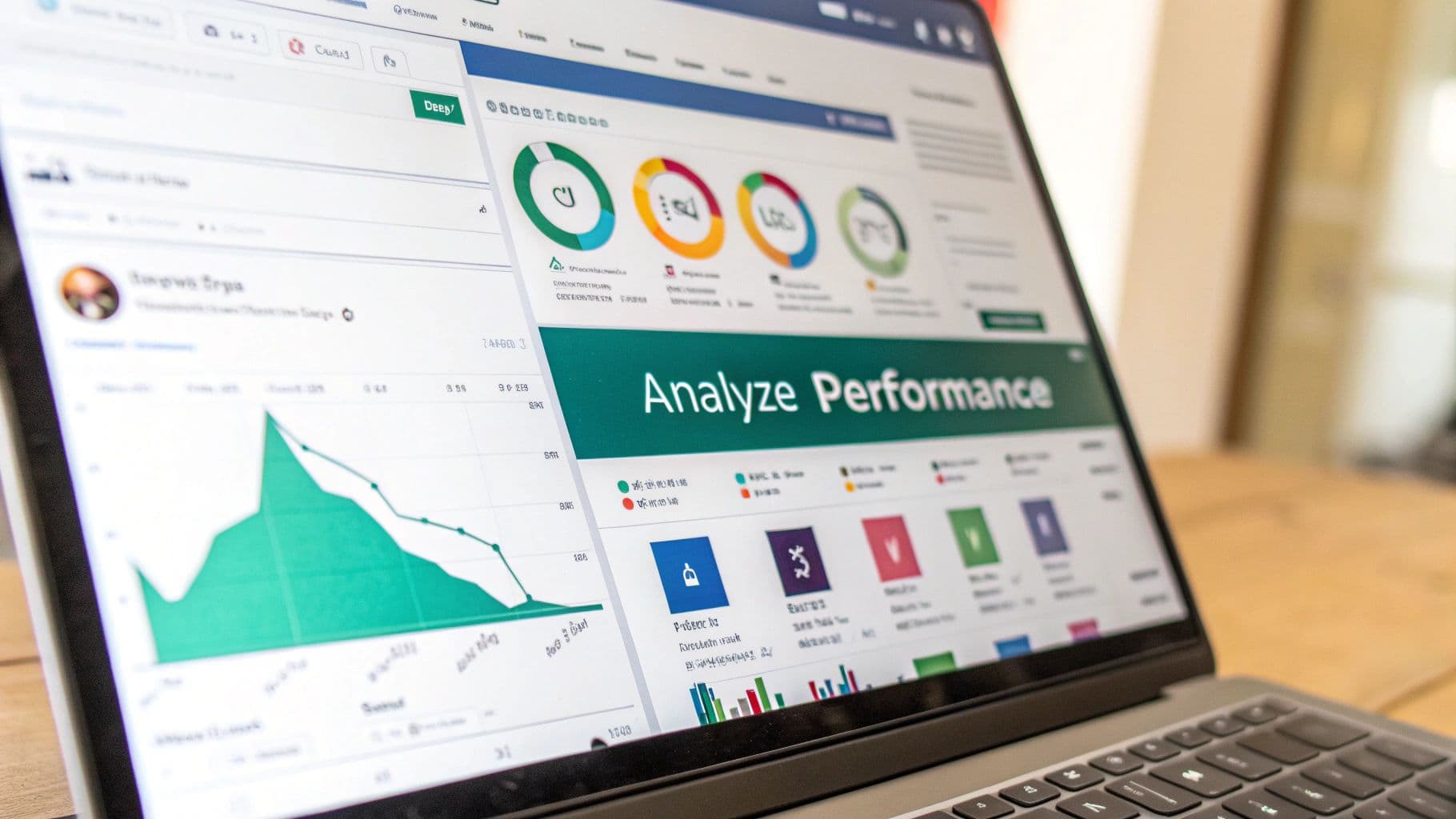
Then watch what happens in Instagram Insights. Which posts bring profile visits from non-followers? Which ones lead to saves? Which ones bring DMs, inquiries, or comments from the right kind of audience? The goal isn't “more hashtags.” It's clearer audience matching over time.
If you want help moving faster, Gainsty is one option worth considering. As an AI-powered social assistant platform focused on Instagram growth, it can support the testing and analysis side of this process so you're not guessing which combinations keep attracting the right followers. For artists who want a repeatable workflow instead of manual trial and error, this can make the strategy easier to sustain.
Hashtags won't fix weak positioning, inconsistent posting, or unclear offers. But when your content is solid, and your profile makes sense, they can still act as one of the most useful discovery layers available to artists on Instagram.
If you want a faster way to organize, test, and refine your hashtags for artists on Instagram, Gainsty can help you turn scattered tag ideas into a more deliberate growth system with AI-supported insights, audience targeting, and ongoing optimization.