The Allure of Instant Instagram Fame
A creator spends all afternoon shooting a carousel, writes a clean caption, picks the right cover image, and posts at what feels like the perfect time. Then the post lands in near silence, and that empty stretch between posting and the first real interaction starts to feel personal. That is the moment a lot of people search for an app for likes on Instagram.
The pitch is simple. Buy likes, make the post look popular, and hope the social proof pulls in more real attention. The temptation gets stronger because Instagram has treated engagement as a core signal for a long time, and the platform's commercial shift in 2013, when advertising arrived, made attention something people could chase and monetize, as noted in Dolphin Radar's history of Instagram likes.
Why the shortcut feels so convincing
The appeal is not just vanity. It is fatigue. If you have been putting in real work and the feed keeps rewarding someone else, an artificial boost starts to sound like a practical business decision.
That is exactly why these tools spread. They promise motion, not meaning. They give you a quick number you can point at, which can feel like progress even when the audience behind that number does not care about the content.
Practical rule: If a tactic only makes the post look stronger, but does not make the account stronger, it is borrowing confidence from the future.
The history of Instagram matters here because the platform did not become a serious engagement economy by accident. Once likes turned into a visible signal of relevance, tools emerged to manipulate that signal, and the market around those tools grew from that basic pressure. The true cost is not only the risk of looking fake. It is the time lost chasing a shortcut instead of building an audience that pays attention, comments, saves, and returns.
How Apps for Instagram Likes Actually Work

These apps usually run on one of two models. One is a bot-driven network, where the app distributes likes through automated accounts. The other is a user-exchange system, where people agree to like one another's posts inside a closed loop.
The bot model and the exchange model
The bot model works like hiring paid actors for a theater crowd. The seats look full, but the people in them aren't there because they care about the show. They're there because the producer paid them to sit and clap on cue.
The exchange model is different in mechanics but similar in outcome. It's like a fan club where everyone agrees to applaud everyone else, even if they don't care about the performance. The likes may come from real accounts, but the behavior is still transactional, not genuine.
Both systems inflate the number under a post. Neither one tells you whether the content resonated, whether the audience remembered it, or whether the post moved anyone toward a real action. That matters because Instagram's own engagement environment now includes private measurement, not just public display.
Instagram began hiding public like counts in 2019 in some markets as a test, then expanded the option so users could hide or show counts on their own posts. By 2026, users could still review their own engagement in Instagram Insights, where post metrics can be checked for content from the last 7 days and, in some cases, up to 90 days maximum, according to NapoleonCat's summary of Instagram likes visibility and Insights.
What the app actually changes
The biggest change is cosmetic. The post looks busier. The account can look more established. A casual visitor might assume the content is working, even if the engagement came from automation or reciprocal trading.
But the app doesn't create audience intent. It doesn't create trust. It doesn't make someone save the post, comment thoughtfully, buy, book, or subscribe. It only pushes a number upward.
That's why the mechanics matter. Once you understand how the like count gets inflated, the marketing language gets a lot less persuasive.
The Hidden Dangers of Chasing Fake Likes

The obvious risk is getting flagged. The bigger problem is that fake engagement poisons the rest of your growth work. Instagram's official ranking guidance now prioritizes originality and engagement quality over raw numbers, and its systems are built to detect and penalize inorganic activity, which can affect account integrity, according to GetLike's discussion of Instagram ranking and artificial amplification risk.
Credibility collapses faster than people expect
A bad engagement pattern is easy to spot. If a post has inflated likes but weak comments, weak saves, and weak follow-through, the audience notices the mismatch. Brands notice it too.
That mismatch makes the account feel engineered rather than earned. If you're a creator, that hurts trust. If you're a business, it can make the brand look desperate, even if the product is good.
Your audience data gets contaminated
Fake likes don't just sit there harmlessly. They distort what you think is working. You may start blaming a post, a caption, or a content format when the underlying issue is that the account is full of engagement that never belonged there.
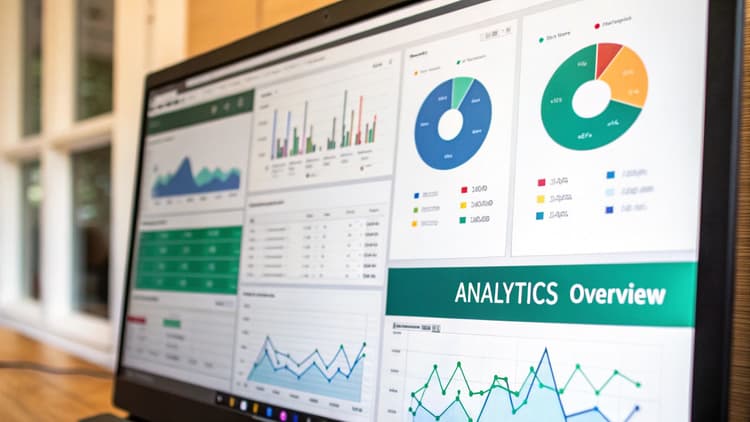
That contamination matters because Instagram Insights is only useful if the signals are clean. When fake activity enters the picture, it becomes harder to tell which posts attracted real interest and which ones merely collected artificial clicks.
The most expensive part of fake engagement is usually not the money. It's the time you waste optimizing around broken data.
There's also a safety angle that most like apps gloss over. Third-party boosting systems ask users to trust a service that sits between them and their account, and that creates risk around spam detection, audience quality, and account integrity. If you want to check whether an account has the footprint of fake followers, this guide to Instagram fake followers checks is a useful place to start.
The real cost is opportunity cost
Every hour spent chasing artificial likes is an hour not spent improving content, refining positioning, studying audience behavior, or building relationships. That's the part people ignore. You aren't just buying the wrong kind of growth; you're also stealing time from the work that would have created real momentum.
The Organic Growth Alternative That Actually Works
Organic growth is slower only if you define speed as a spike in vanity numbers. Real growth is deliberate. You build an audience that cares, and every post becomes more valuable because the people seeing it have a reason to stay.
An app for likes Instagram solves the wrong problem. It pushes a surface metric and ignores the bigger question of whether the people behind those likes can ever become customers, subscribers, or supporters. A lot of articles on these apps focus on “real likes,” but that misses the point. The ultimate test is whether those likes improve reach, saves, or conversions, and YaraPlus's article on Instagram like apps shows why that gap matters.
Fake engagement versus real audience value
Audience quality
Apps for likes: Often attract low-quality or transactional engagement rather than people who are genuinely interested in your content.
Organic growth services: Aim to reach users who are more likely to engage because they have a real interest in your niche or content.
Long-term reach
Apps for likes: Artificial engagement can distort your performance signals, making it harder for the platform to understand who your content is actually relevant to.
Organic growth services: Focus on attracting genuine engagement, which is more likely to support healthy long-term content distribution.
Account safety
Apps for likes: May carry a higher risk because they often rely on artificial or inauthentic engagement methods that can violate platform policies.
Organic growth services: Generally safer when they rely on legitimate audience-building strategies and authentic user behavior.
Business value
Apps for likes: Primarily provide cosmetic metrics that may not translate into meaningful business outcomes.
Organic growth services: Better aligned with valuable actions such as comments, saves, shares, profile visits, and conversions.
ROI visibility
Apps for likes: It can be difficult to accurately measure return on investment because inflated engagement doesn't necessarily reflect real audience interest.
Organic growth services: Success is easier to evaluate through genuine engagement patterns, qualified leads, and measurable business results.
The list makes the tradeoff obvious. Fake engagement makes a profile look busier. Organic growth makes the account more useful.
If you want a practical framework for building that kind of account, a guide to Instagram success for creators is worth reading alongside your own strategy notes.
The better mindset in 2026
Instagram's public like toggle changed the conversation for good. Users can hide like counts and still review engagement in Insights, so the goal is no longer to look impressive in public. The essential work is producing content that earns attention in private and does it again and again.
That means the smarter play is to care less about the visible count and more about whether the account is building durable interest. A useful benchmark is simple. Would your content still matter if the like number disappeared tomorrow? This guide to Instagram engagement rate formula and performance gives you a cleaner way to judge that than vanity metrics ever will.
A Safe Action Plan for Authentic Engagement
Start by defining exactly who you want to reach. Not “more people,” but the people who already care about the kind of content you make, buy, or teach. If you skip this part, every other growth decision gets blurry.
Then make content that deserves attention. On Instagram, the safest default for feed posts is the 4:5 portrait format at 1080 × 1350 pixels, which helps preserve vertical screen space and reduces cropping risk in the feed and profile grid, according to Buffer's Instagram image size guidance. That technical choice won't save weak ideas, but it does help strong ones get seen properly.
Three moves that beat a like app every time
Narrow your target audience. Pick the exact niche, customer type, or creator community you want to reach. If you're speaking to everyone, you're usually resonating with no one.
Build posts around one clear payoff. Teach something useful, entertain with intent, or present a strong opinion that people want to respond to. Instagram still rewards meaningful engagement, and the platform's ranking systems care far more about how people interact than about raw follower size.
Use a compliant growth partner only if it helps real discovery. A service like Gainsty focuses on organic follower growth and engagement support rather than bots or fake followers. That kind of setup is useful only when it stays aligned with real audience building.
Instagram's move to let users hide public like counts, which started in 2019, makes one thing clear. The number on the post matters less than the pattern behind it. If you want the background on why that matters now, this explainer on organic Instagram engagement is a better reference point than any like-selling app page.
Use the right creative inputs
Good growth also depends on execution. Strong copy, clean visuals, and readable formatting all help, but image quality gets ignored too often. If your posts look soft, cramped, or poorly cropped, the content has to work harder than it should, so this resource on improving image quality for social media is worth keeping in your toolkit.
If you want a simple reminder, keep this one nearby.
Practical rule: Build for the people who can become repeat engagers, not the users who can only inflate a number once.
The safest growth plan is boring in the best way. It's audience clarity, better content, and clean measurement. That combination compounds, while fake likes only create noise.
Choosing Real Influence Over Empty Numbers
A strong Instagram account does not come from chasing an app for likes Instagram users can tap for a quick boost. It comes from attracting people who care enough to return, comment, save, and share. Empty likes look good for a moment, then disappear from the strategy.
That tradeoff matters more than it first appears. Every hour spent hunting fake engagement is an hour not spent refining your content, understanding your audience, or improving the signals that lead to lasting reach. If you want a sharper read on what those signals mean, mastering social media analytics for 2026 gives you a better framework than any like-selling app page. For a deeper look at how engagement quality is measured, this guide to the Instagram engagement rate formula and performance is the right place to start.
Real influence comes from repeat attention. People remember your account because the content fits their needs, not because a number above the post looked impressive for a day. Fake engagement rents the appearance of momentum and leaves you with an audience that does not respond when it matters.
Choose growth that compounds your brand instead of draining it. That means audience fit, stronger content, and safe organic methods that bring in people who can become genuine followers. Gainsty fits that direction because it focuses on organic Instagram growth rather than artificial likes.
A higher like count can flatter a profile. It cannot build trust, and it will not create the kind of audience that supports long-term performance.