What Most People Get Wrong About Automatic Instagram Followers
The main problem with automatic Instagram followers is not the label itself. It is the assumption that any automation only changes the follower count. In practice, the long-tail risk is often algorithmic downranking, because Instagram reads the quality of new followers, their activity, and the account patterns behind them.
Some services deliver fake accounts. Others automate behavior that looks human at first glance but still leaves a detectable pattern. A smaller group uses compliant AI-assisted workflows to help with audience targeting and analysis, which is very different from manufacturing vanity metrics.
That difference shows up after the purchase. A profile can look larger and still perform worse, because fake or inactive followers drag down engagement rate. If a post reaches a follower base that does not like, save, comment, or watch, Instagram gets a weak signal about the content itself. The account may then receive less distribution over time, even if no obvious penalty appears right away.
A public-account analysis of 136 Instagram creator and brand accounts found a median fake-follower share of 18.7%, with a mean of 19.0% and an interquartile range from 7.1% to 31.3% (follower analysis). The same study found 36.0% of accounts had above 25% fake followers, while 33.8% were below 10%. For large accounts, the median estimate rose to 25.4% for macro accounts and 26.4% for mega accounts, which is why shortcuts are tempting, and why they can become costly.
The better mental model
The right question is simple: what kind of automation is involved, and what kind of followers does it create?
Practical rule: If a service only sells a follower count and does not explain who those people are, how they were reached, or how the account stays compliant, you are probably looking at a problem, not a growth system.
That frame is more useful than a safe-versus-banned debate. It helps you judge whether a service supports real discovery or leaves behind the kind of signal that can weaken reach over time.
Defining Automatic in the Instagram Context
In plain language, automatic means a task happens with less human input than manual posting, commenting, or outreach. That can cover scheduled publishing, scripted workflows, AI-assisted targeting, or API-based reporting. The safety question depends on what the system automates, because Instagram treats workflow support very differently from behavior that imitates a person.
A more specific analogy helps. If the same guest shows up every night at the exact same minute, orders with identical timing, and exits through the same door, the pattern stands out fast. Instagram looks for that kind of regularity too, repetitive timing, unnatural hours, repeated comment text, rapid follow bursts, unauthorized API calls, and browser-automation fingerprints. The point is simple, even low-and-slow activity can still look machine-made when the cadence and client signature stay too consistent (automation rules).
What counts as automation, and what doesn't
Scheduled actions are usually the safest form when they stay inside allowed tools, because they help teams publish or review content without pretending to be human users.
Scripted behavior becomes risky when it starts following, liking, or messaging in a pattern that mirrors human activity too neatly.
AI-assisted targeting can stay compliant when it helps you identify audiences, refine content, or manage analysis instead of executing fake engagement.

The critical distinction is whether the system helps you understand and reach real people, or pretends to be one.
That is why the word automatic can describe very different products. A scheduling tool, a bot panel, and a targeting assistant all reduce manual effort, but only one of them supports growth without mimicking user behavior.
The Three Layers of Risk Most Guides Skip
A follower spike can look healthy from a distance and still weaken the account underneath. The first layer is follower quality. If the service fills the profile with fake, inactive, or non-engaging accounts, the follower count rises while the account's real value stays flat. That matters because brands, planners, and campaign teams often read the public count as a shortcut for audience strength. Analysts at Follower Analysis have shown that inflated follower shares are not rare in larger accounts.
Policy risk is only the second layer
Instagram's rules cover more than obvious spam. Automation that imitates human behavior is broadly prohibited, including auto-followers, auto-likers, comment bots, DM blasters, and password-based scrapers. Automation rules lay out the kinds of behavior platforms associate with abuse, but the practical point is simpler, tools that try to act like a person can still cross the line even when they look measured on the surface.
The third layer is algorithmic downranking. This is the quiet risk that many guides skip. An account may avoid an outright ban and still lose reach after a suspicious follower jump. A useful test is to compare a before-and-after content window, for example, a post that normally reaches a steady audience may start drawing fewer impressions, fewer profile visits, and weaker Story completion after the spike. The account still exists, but distribution becomes harder to recover (auto Insta followers).

Why the long tail matters more than the spike
A sudden follower jump can flatter a dashboard for a short time. The longer problem is trust decay. Weak follower quality and platform suspicion do not always show up immediately, but they can lower the account's future distribution when it matters most.
A service should be able to explain how it avoids fake delivery, human-like spam patterns, and later suppression. If it cannot, the risk is not just policy trouble. It is building an account that slowly becomes harder for Instagram to recommend.
Comparing Bot Panels, Password Tools, and Compliant AI Growth
The easiest way to sort the market is to compare the three main categories side by side. Bot panels try to inflate numbers directly. Password-sharing tools usually automate actions inside a real account, which can make the behavior look more human while still violating policy. Compliant AI-assisted growth uses targeting, analysis, and human oversight to attract real users without scripting fake engagement. For a broader overview of that market, AI-powered Instagram automation for ads is a useful reference point.
Bot panels: These deliver followers from artificial or low-quality sources. They carry high platform risk, typically produce weak follower quality, and may increase follower count without generating meaningful trust or engagement.
Password-based automation tools: These automate activity through a logged-in account. They also carry high platform risk, with follower quality that is mixed at best. While they may create short-term activity, they can also increase the risk of account restrictions or reduced distribution.
Compliant AI growth: This approach combines audience targeting, analytics, and human guidance rather than relying on artificial activity. When implemented correctly, it has lower platform risk and focuses on real users, typically producing slower but steadier growth with stronger engagement quality.
Bot panels and password tools are the fastest way to create a mismatch between visible reach and actual audience interest. They often promise convenience, but the long-term effect is harder to reverse because the account's history becomes harder to trust. In contrast, compliant AI-assisted workflows are built to improve decisions, not fake actions. If you want a practical directory of this category, the internal guide on automation tools for Instagram is a good companion read.
What separates the compliant path
The compliant path doesn't try to simulate a human clicking, following, or DMing at scale. It helps you choose who to reach, what to post, and how to measure response without crossing into impersonation or bulk manipulation. That difference sounds subtle until you compare the risk profile, then it becomes the whole story.
How Legitimate AI Assisted Growth Works
Legitimate AI-assisted growth starts with targeting, not follower delivery. The service helps define a niche, compare audience segments, refine content prompts, and track performance, while posting and interaction decisions stay with the account owner or team. That keeps the system in a support role instead of an impersonation role.
Gainsty is an AI-powered social assistant for organic Instagram growth that emphasizes real audience targeting and compliance oversight, with no bots or fake followers, targeting options, analytics, dedicated account management, and support for creators, real estate professionals, startups, and brands. For a closer look at that model, see AI Instagram growth and engagement. Focus on the mechanism rather than the branding to judge whether a service belongs in this category.
Look for the mechanics, not the slogan. If a platform can explain what it analyzes, who manages the account, and how it keeps activity compliant, you're looking at a different model than a bot vendor.
What to expect behind the scenes
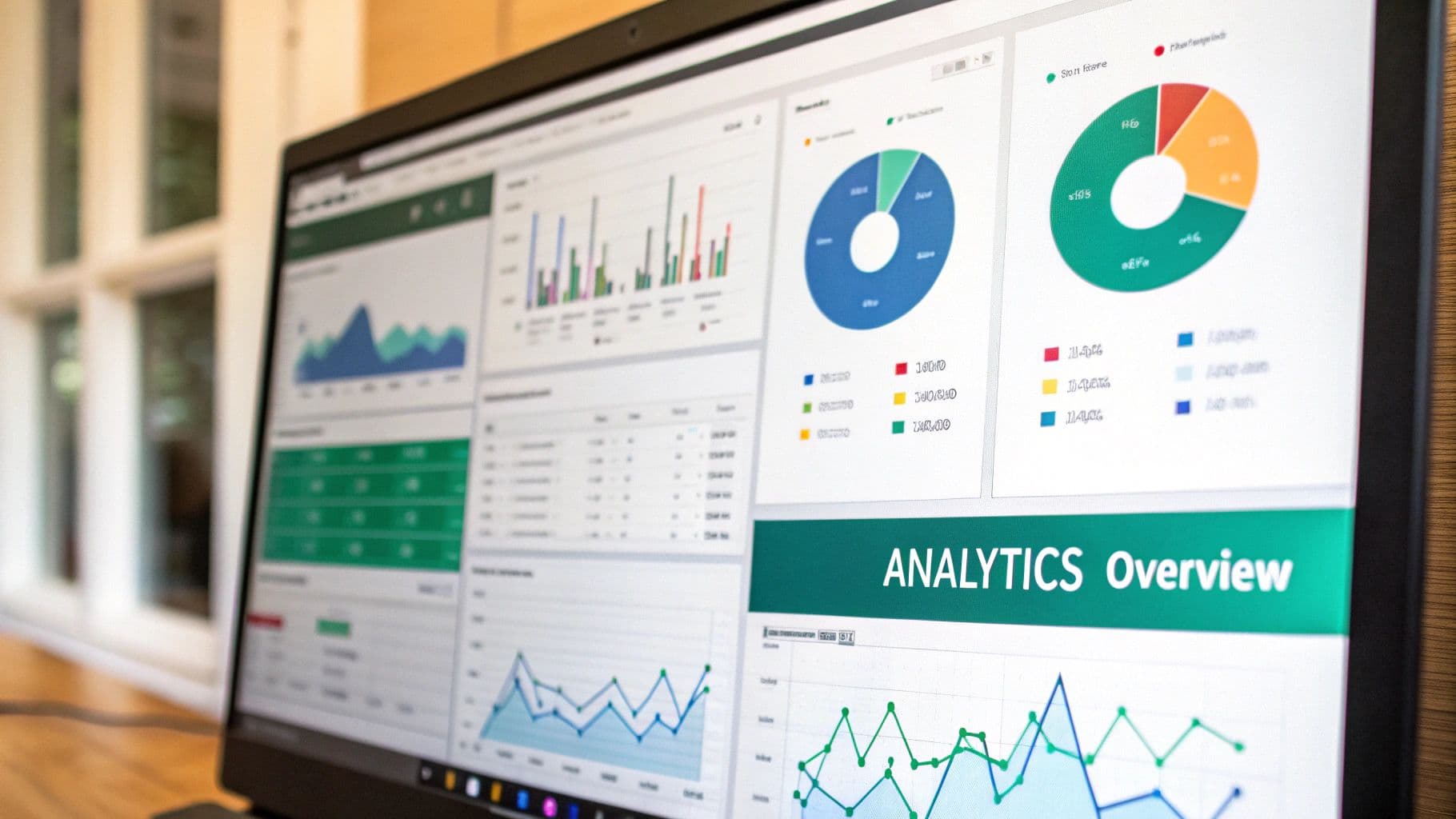
A legitimate setup usually includes audience research that narrows who should see your content, content optimization prompts that improve hooks, captions, or post structure, analytics dashboards that show what is landing, and dedicated management that keeps the process human-reviewed.
That combination supports real growth because it helps real people find the account more easily. It does not promise fake momentum.
A Practical Checklist to Evaluate Any Growth Service
Start with the question that matters most, who are the followers supposed to be? If the answer is vague, the service is probably selling speed instead of audience quality. Good services can describe niche targeting, audience fit, and how they help attract people who already have a reason to care about your content.
Next, look at the proof points. A service should be able to explain its analytics depth, what support is available, and how it handles account management. If it hides methods behind buzzwords, you're being asked to trust a process you can't inspect, and that usually means the operator knows the process won't survive scrutiny.
If you're evaluating a business-facing option, Instagram growth for businesses can help you compare commercial claims with a more grounded checklist. The same logic applies whether you're a solo creator or a team buying on behalf of clients.
Red flags and green flags
Red flag: promises of huge follower gains without explaining targeting.
Green flag: clear niche positioning and audience selection.
Red flag: no discussion of analytics, retention, or engagement quality.
Green flag: dashboards or reporting that show performance over time.
Red flag: pressure to share passwords or install questionable tools.
Green flag: transparent workflows that keep account access and activity compliant.

For account owners who want a quick sanity check, the internal fake followers check guide is a useful audit companion. A good rule is to ask whether the service helps you understand the audience better, or just makes the number go up.
Why Organic Compounding Growth Wins Every Time
Organic growth looks slower because it follows how Instagram distribution really works. One real follower can help the next post reach more real people, which brings in more viewers who care about the topic. That loop builds on itself because each interaction makes the next one easier to earn, and there is no cleanup problem later.
Follower quality matters more than raw volume. Large accounts can carry a heavier share of low-quality followers, so scale by itself can hide weak audience health. If a service pushes counts without showing who is following or why they follow, that is a warning sign.
For measurement, organic social media attribution helps tie growth back to real outcomes, not just profile totals. If the audience does not engage, click, or convert in a way that supports the business, the follower number is only decoration.
A simple comparison makes the point clearer. Two accounts can each have the same follower count. One has a real audience that saves posts, replies to Stories, and returns after week one. The other has a padded list with little intent. The first account keeps compounding because Instagram sees stronger signals and the brand sees more useful behavior. The second stalls because the number is larger than the demand behind it.
That is why Cometly social media attribution matters in practice. It helps you check whether growth is feeding attention that turns into action, or just inflating a metric.
Fake followers are a dead end. They add friction to later decisions, from sponsorship pricing to content strategy.
Organic compounding wins because it creates a cleaner signal over time. A smaller account with real attention can outperform a larger account with diluted trust, especially when the goal is leads, sales, or lasting audience loyalty.
Choosing the Right Path Forward and Common Questions Answered
Creators should start with a simple audit of follower quality and engagement patterns. If the account needs better content direction, fix that first. If it needs compliant support, use a tool that improves targeting and workflow without masking weak signals. Small businesses usually get more value from audience targeting and analytics before chasing reach, because they need buyers, not empty visibility. Agencies should test every service against the checklist above before they put it near a client account.
A few questions come up again and again.
How long does organic growth take? There is no fixed timeline. For creators, the first useful signal is often steadier engagement on a smaller set of posts, then a wider lift as the content gets repeated proof of fit.
Can Instagram tell the difference between AI-assisted and bot-driven activity? In practice, yes. Bot patterns are repetitive and easy to flag, while compliant AI support stays within human review, realistic pacing, and audience targeting.
What if an account already has suspicious followers? Run a cleanup audit first, then stop adding more noise. Small businesses should reconnect growth to offers and location or interest targeting, creators should tighten content themes, and agencies should document the reset before reporting results.
The right choice protects reach and builds trust over time. Visit Gainsty to evaluate whether a compliant growth workflow fits your account.